
Blog, Branding
What is a logo?
A logo is any graphic sign identifying a company, product, service, project or entity. But a logo is more than that.
One of the most common questions when entering the world of branding is: What is a logo? Above all, we will try to define what it is not. The term’s boundaries can be blurred depending on the context: it means different things to a designer and a salesperson. That is why we decided to start with the logo.
According to the Dictionary of the Royal Spanish Academy, logo is short for ‘logotipo’ and is used as a generic term for any graphic representation of a brand. This generalisation, however, has caused considerable confusion.
In everyday speech, we call any graphic sign identifying a company, product, service, project or entity a logo. Technical language uses different terms for each graphic element according to its characteristics:
Wordmark
A graphic representation of the brand’s name, composed of letters and their typography—hence ‘logo-type’. In English it is known as a word mark.
Brand mark
A graphic representation of the brand without words. It may simplify something concrete (an icon or pictogram) or an abstract concept (a symbol, emblem or ideogram). In English it is known as a brand mark.
This element is an ideal positioning tool for international brands, offering a universality that breaks through language barriers.
Brand marks have several subcategories:
Monogram
The word comes from the Greek monos, meaning ‘single’ or ‘only one’, and gramma, ‘letter’ or ‘writing’. It is a variation of a wordmark using one or more initials, combined with distinctive features to become a single sign or unit.
Initials
The Latin word sigla means a figure or abbreviation. Initials do not merge into a single symbol; their letters remain clearly defined and separate.
Initial
From the Latin initialis, referring to the origin or beginning of things. In branding it is the first letter of a word, usually the name of an entity, person or company. It acts as a condensed representation identifying the whole.
Signature
A signature is considered another variant of a brand mark. It is used on high-quality or exclusive products and services to highlight a particular person’s personality, as with a designer’s or creator’s own range.
Pictogram
A pictogram is an icon-based mark generally composed of figures or symbols of products found in everyday life. As a simplified image, it relates to symbols used as writing in ancient times (hieroglyphs), but today it is mainly a figurative system for recognising a brand.
Pictograms can be:
Figurative
These use shapes easily associated with objects, animals, fruit and other things, simplifying them without losing meaning. Following the principle that less is more, they often use silhouettes and outlines, removing all other detail.
Abstract
Abstract shapes have no immediately obvious relationship to things in the real world. They stand out through features such as their colours, shapes and composition.
Combination mark
Both elements together, but separate: a wordmark and a brand mark form a whole (image or symbol plus typography), with text and symbol clearly differentiated and able to work independently. In English this is known as a combo mark.
Emblem:
Both elements together and intertwined. Text and icon merge into a single element: indivisible parts of a whole that only work together. This also includes letters arranged to form an image. In English it is known as an emblem.
There are also terms describing the systems that bring these elements together, rather than just the individual elements:
Brand or branding
Derived from the Latin marca, a mark is a sign placed on someone or something to distinguish it or indicate quality or ownership. In our field, it is any trace, feature or graphic that sets something apart—for example, a sound. In English the term used here is branding.
Your brand is what other people say about you when you are not in the room
Jeff Bezos — founder of Amazon
At ichik·studio, we define branding as the act of creating a brand. An article about what branding is is planned for this series.
Corporate image
The subjective element of a brand: the image customers and users perceive. It is therefore the most abstract of these terms.
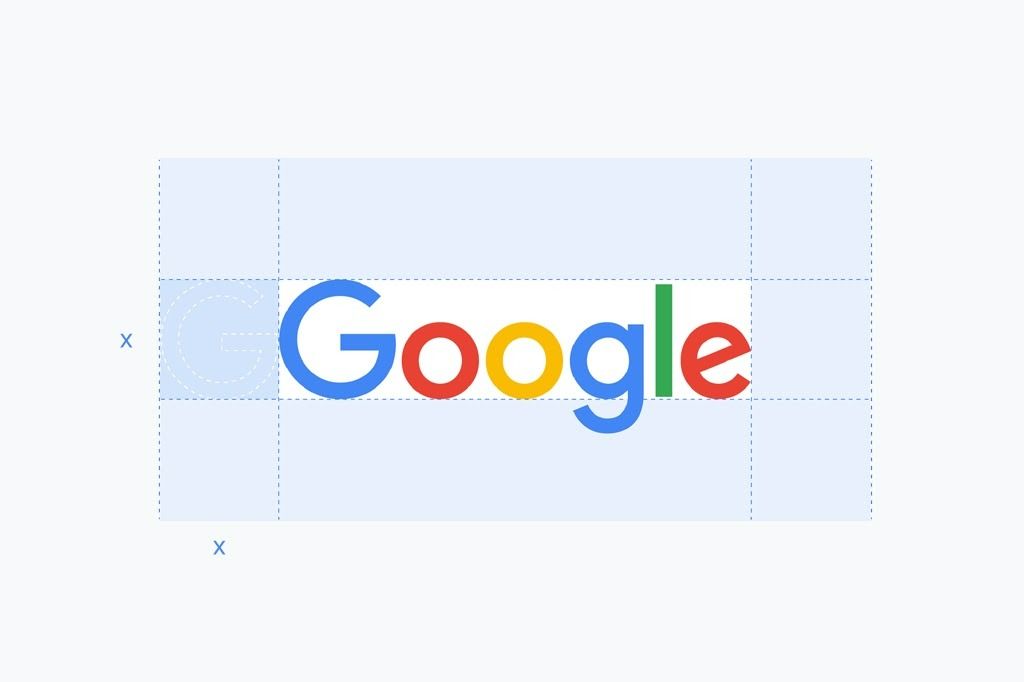
For example, think of what comes to mind when you think of Google. Its corporate image is everything the brand evokes—technology, the internet, freshness and so on—especially the images associated with it.
Corporate identity or visual identity
Corporate or visual identity is the tangible, measurable part of a brand: the rules, recommendations, elements and formats used to build its corporate image. It can include colours, sounds, stationery, signage, outdoor advertising, strategies, tone and more.
Examples:
- Colour palettes,
- Typography,
- Correct and incorrect logo use (scale, margins, proportions),
- Colour combinations,
- Applications (business cards, letterheads, envelopes, invoices, stamps and so on),
- Software (websites, emails, applications and so on),
- Clothing (uniforms, caps, T-shirts and so on),
- Interior design (furniture, bunk beds, banners, vinyl graphics).
Brand guidelines or corporate identity manual
The document collecting the rules, recommendations, formats and elements that make up a corporate identity: examples and specifications showing how to use a brand consistently in its communication.
Quick reference
Term
Example
Explanation
Logo
Any graphic identifying a brand
Wordmark
Letters or words only
Brand mark
A figurative or abstract symbol or icon
Combination mark

Letters + symbol (can be separated)
Emblem
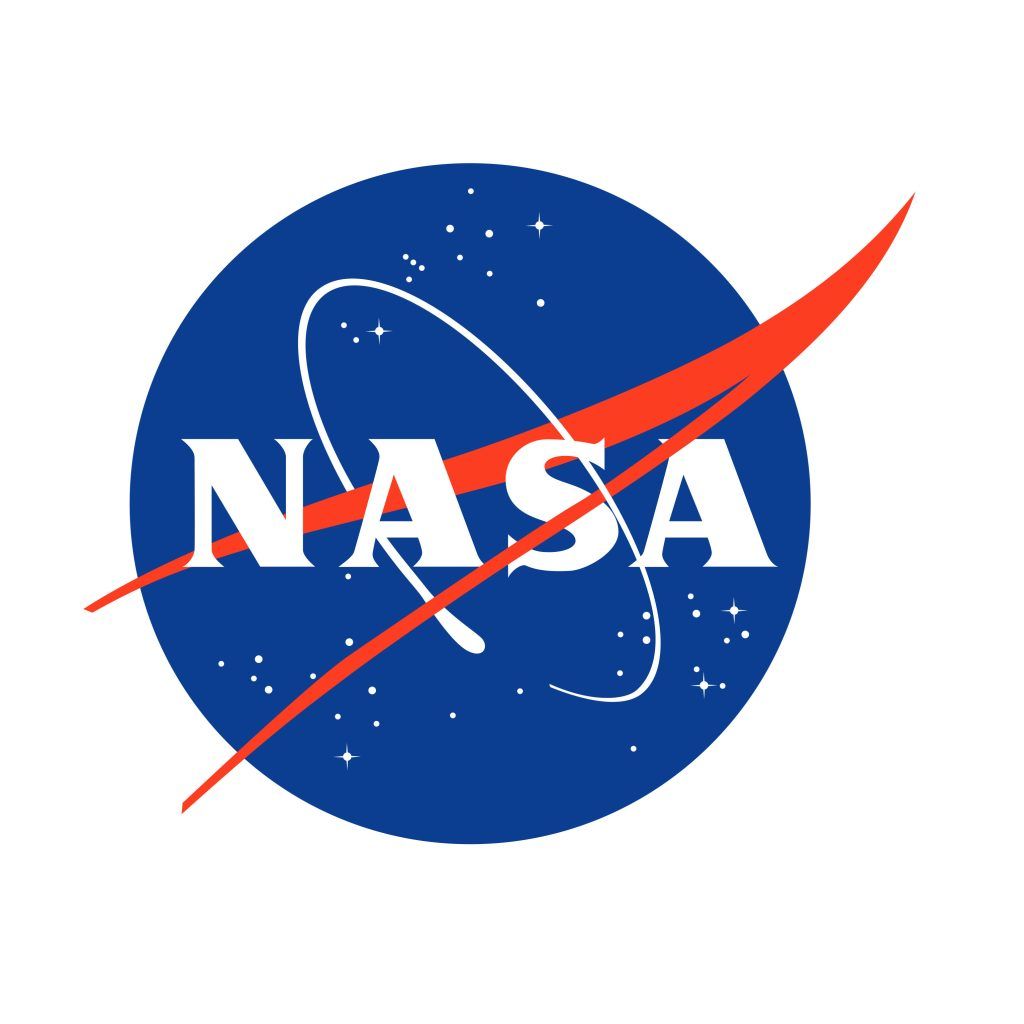
Letters + symbol (cannot be separated)
We know this information is not always within reach of people looking to establish their own brand. If you need to create or grow yours, ichik·studio can be your partner. Whether you are an entrepreneur brewing craft beer, providing holistic grooming services, creating music or running a sculpture school, we want to help you focus on what you love: your project. As the saying goes, stick to what you know best; our speciality is ideas.
All product names, logos and brands belong to their respective owners and/or associated companies. Company, product and service names in this article are used solely for identification, illustration or reference.